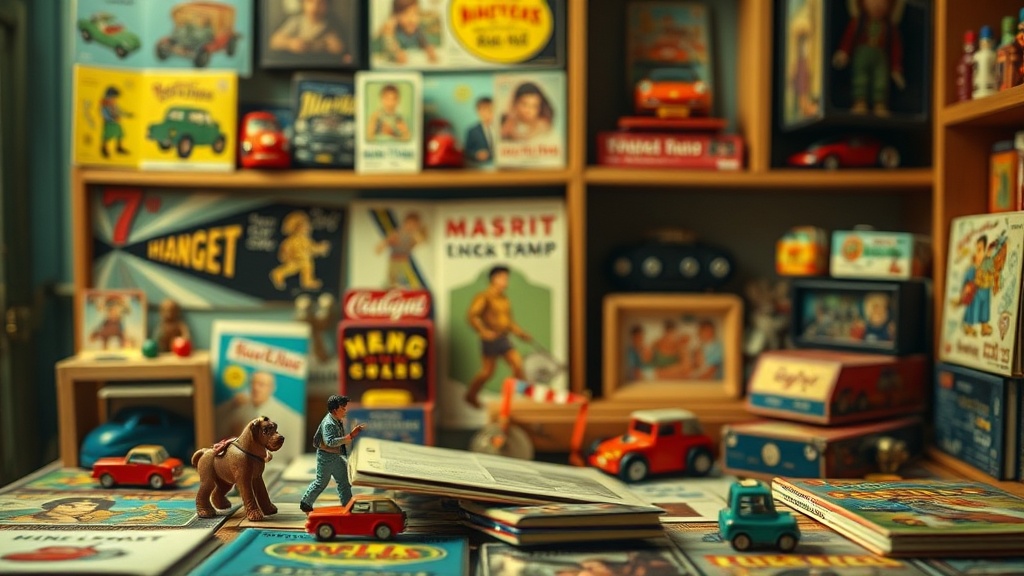
Why Vintage Toy Catalogs Are Exploding in Value (And How to Start Collecting Smart)

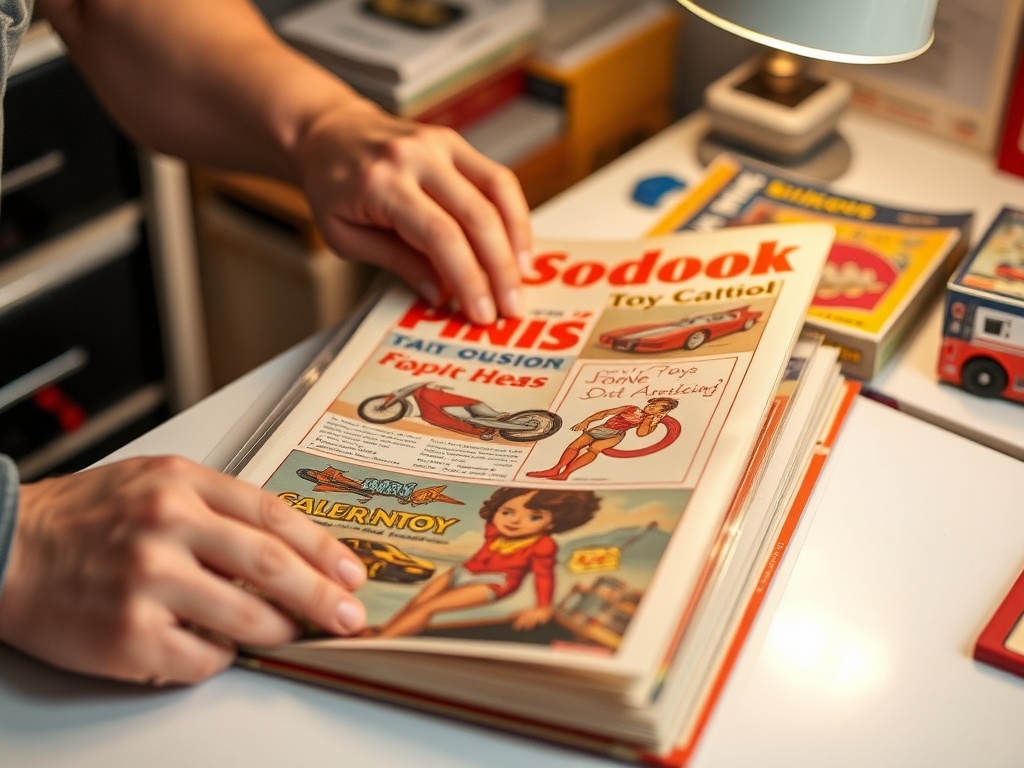
There’s a moment every collector remembers: flipping through a fragile, aging toy catalog and realizing it’s more than paper—it’s a time capsule. Prices, layouts, photography, even the fonts—everything locks in a specific era of childhood imagination. And lately, those time capsules have been getting expensive.
Vintage toy catalogs aren’t just nostalgia anymore. They’ve become one of the most quietly competitive corners of the collectibles market. If you’ve been ignoring them, you’re already behind. If you’re curious, this is where to start.
Why Toy Catalogs Suddenly Matter
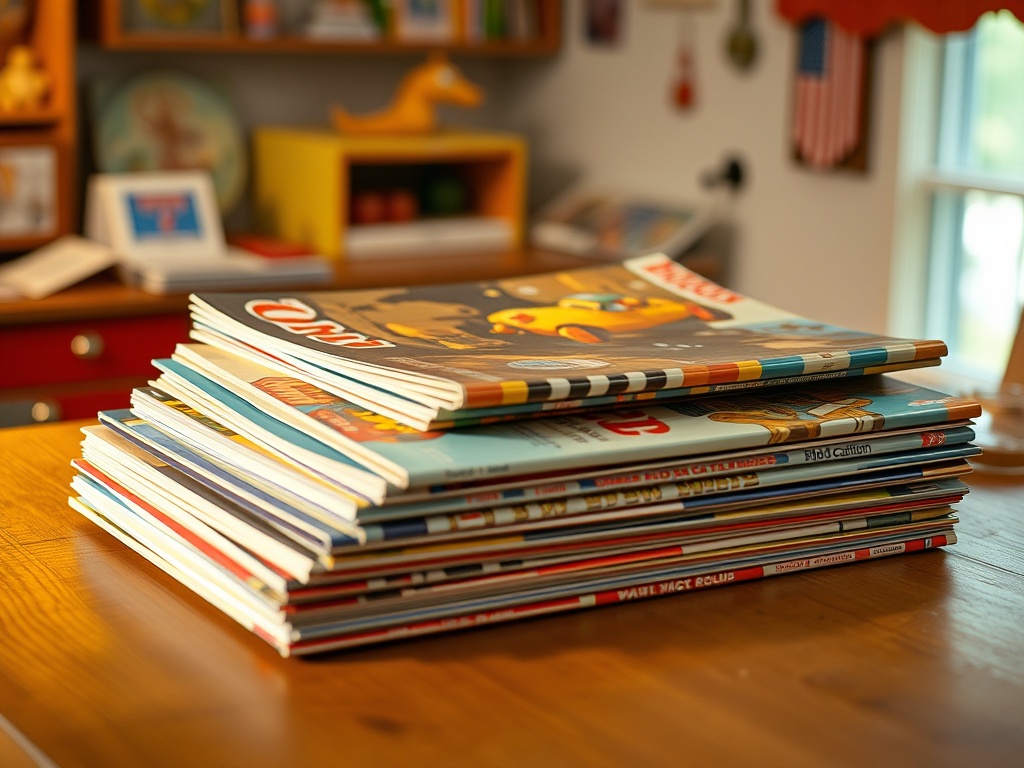
For decades, catalogs were disposable. Kids circled what they wanted, parents tossed them in January, and retailers printed millions more. That’s exactly why surviving copies matter now.
Unlike toys, which were often preserved or resold, catalogs lived short, rough lives. They were folded, written on, ripped apart, and ultimately discarded. That scarcity—combined with a growing collector base—has pushed demand sharply upward.
But there’s another layer: catalogs capture context. A single page can show pricing trends, packaging variations, and forgotten product lines that never made it into mainstream toy history. For serious collectors, they’re reference material and collectible in one piece.
The nostalgia multiplier
Collectors who grew up in the 70s, 80s, and 90s are now hitting peak earning years. They’re not just buying toys—they’re buying the memory of wanting those toys. Catalogs hit that emotional nerve harder than almost anything else.
What Actually Drives Value
Not all catalogs are created equal. Some sell for a few dollars. Others quietly cross into three-figure territory. The difference comes down to a handful of factors that repeat across the market.
1. Retailer significance
Department store giants like Sears, Eaton’s, and JCPenney dominate the high end. These catalogs were massive, widely distributed, and deeply tied to holiday shopping traditions.
But here’s the twist: the most valuable editions aren’t always the oldest—they’re the most culturally dense. A late-80s catalog loaded with action figures and licensed properties can outperform an earlier, more generic issue.
2. Condition (and it matters more than you think)
A pristine catalog is rare. A near-mint copy is even rarer. Writing, missing pages, loose bindings, and sun fading all chip away at value quickly.
Collectors tend to accept minor wear, but once structural integrity is compromised, demand drops fast. Think of it less like a book and more like a fragile artifact.
3. Iconic toy presence
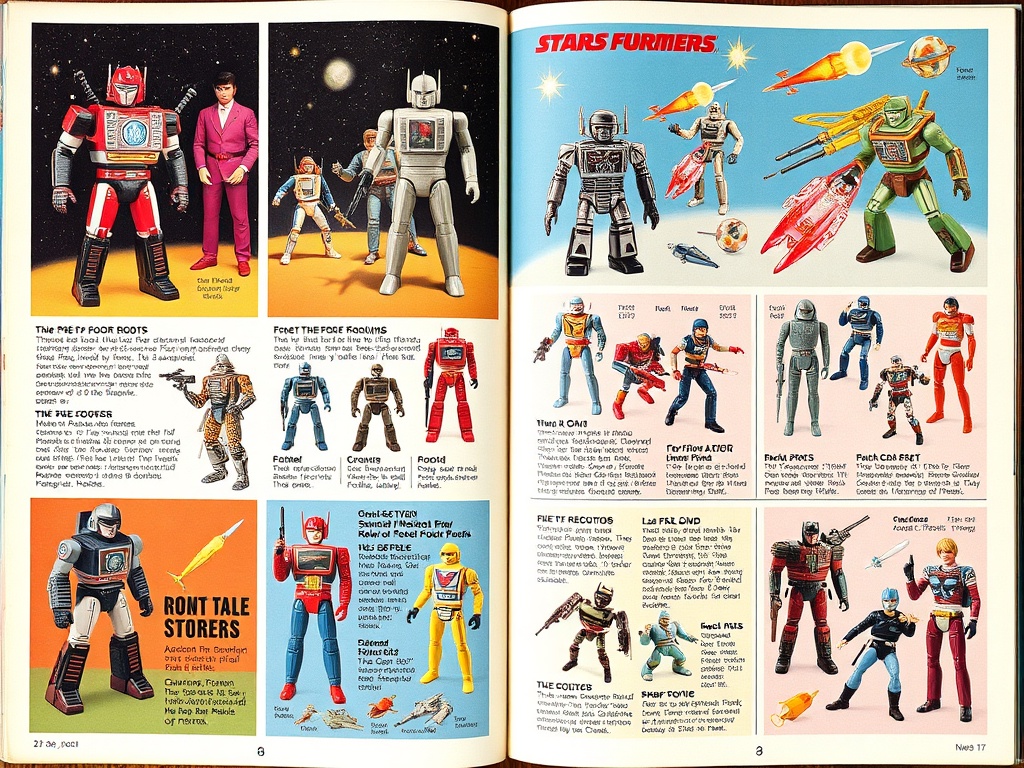
Catalogs featuring breakout toy lines—early appearances of Transformers, Star Wars, He-Man, or LEGO expansions—command premium attention.
Collectors often hunt specific pages rather than entire catalogs, which creates a secondary market for individual sections. That fragmentation is a sign of rising demand.
Where Most New Collectors Get It Wrong
The biggest mistake is treating catalogs like books instead of collectibles. You don’t just buy “a catalog.” You buy a specific moment, condition, and context.
Another common misstep: chasing only the obvious. Everyone looks for the same flagship brands, which drives prices up. Meanwhile, niche catalogs—regional retailers, short-run publications, or specialty toy stores—often fly under the radar.
There’s also the condition trap. New collectors often overpay for “complete” copies that have heavy wear. In this market, a slightly less famous catalog in excellent condition can outperform a famous one in poor shape.
The hidden opportunity
Mid-tier catalogs from the late 80s and early 90s are still undervalued. They hit peak toy diversity, licensing, and design experimentation—but haven’t fully caught up in pricing.
How to Start Collecting Without Overpaying
If you’re starting from scratch, don’t rush. The market rewards patience more than speed.
Start with a focus
Pick a lane: a decade, a retailer, or a specific toy line. Without focus, you’ll end up with a scattered collection that’s harder to grow in value.
Learn to read listings critically
Photos matter. Look for spine condition, page quality, and signs of writing. Sellers often understate damage—or simply don’t know what matters.
Buy in clusters
Lots and bundles can offer better value per catalog, especially when sellers aren’t specializing in collectibles. You’ll often find overlooked gems mixed in.
Don’t ignore local sources
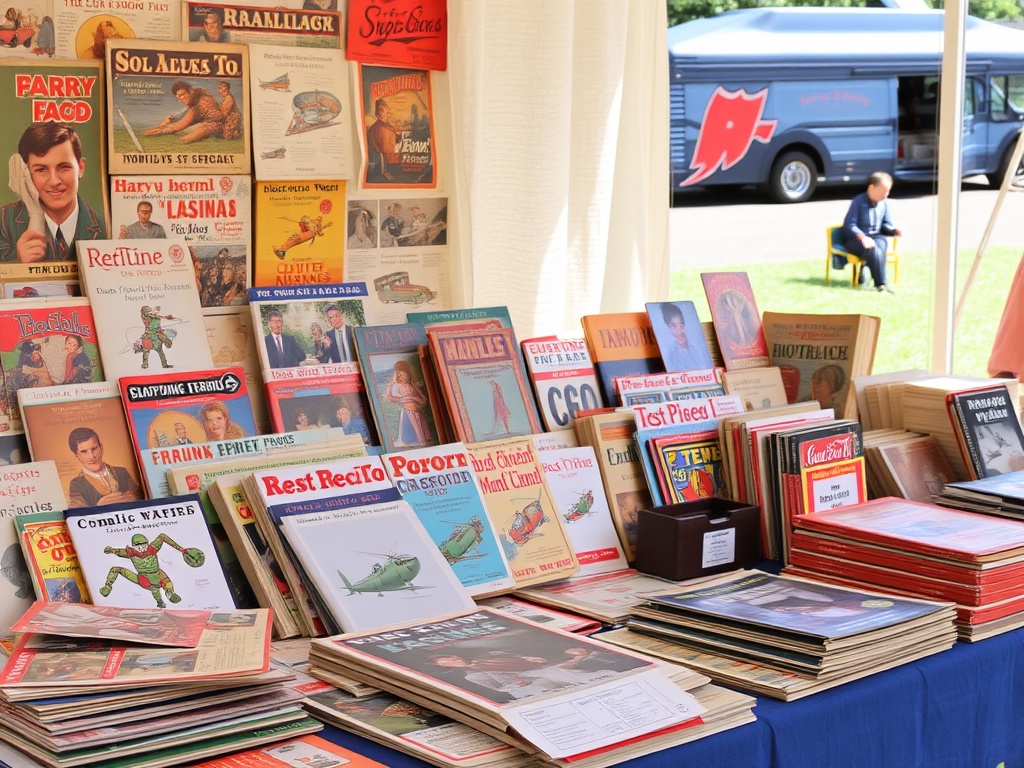
Estate sales, flea markets, and small-town auctions remain some of the best places to find catalogs before they hit mainstream resale platforms.
Storage and Preservation: Where Value Is Won or Lost
Once you own a catalog, your job isn’t done. Poor storage can destroy value faster than a bad purchase.
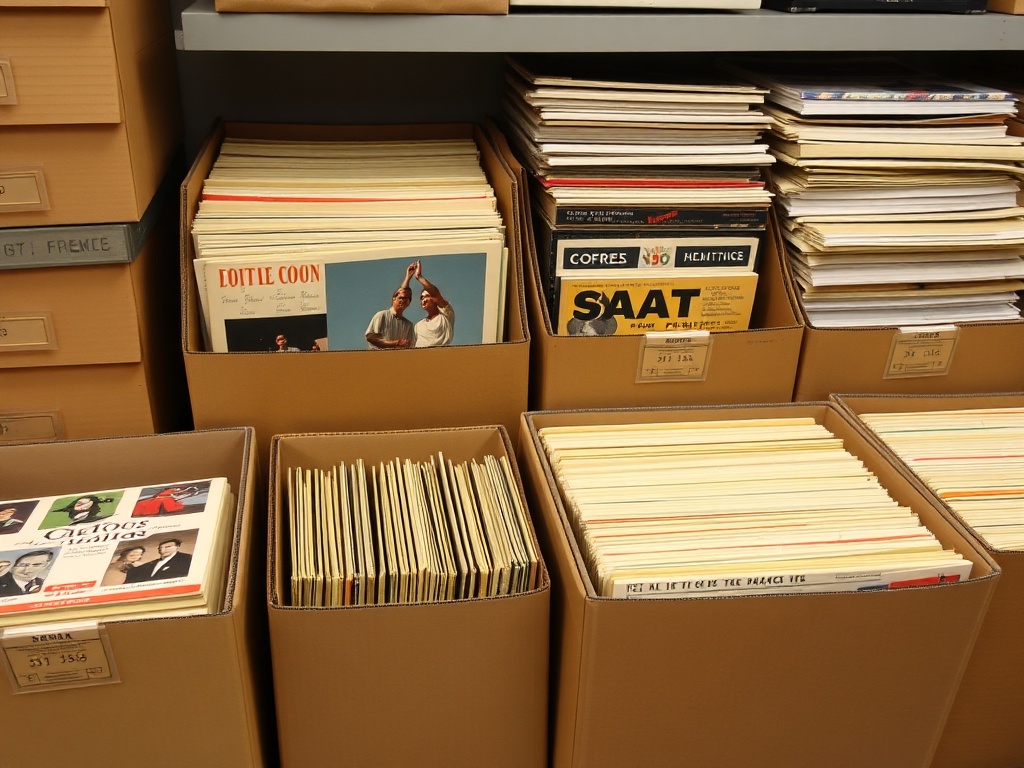
Keep catalogs in a cool, dry environment. Avoid direct sunlight completely. Use acid-free sleeves or archival boxes when possible.
And here’s the part most people skip: handle them less. Every flip-through adds wear. If you want to enjoy the content, consider scanning your copy and preserving the original.
Flat vs upright storage
Thin catalogs can be stored upright with support. Heavier ones should be stored flat to avoid spine stress over time.
The Market Outlook: Bubble or Beginning?
Prices are rising, but this doesn’t feel like a short-term spike. The collector base is expanding, not shrinking. And unlike many collectibles, supply isn’t increasing—what exists is all that will ever exist.
That said, not every catalog will become valuable. The market is selective, and knowledge still beats hype.
If you approach collecting with a clear focus, a strong eye for condition, and patience, toy catalogs offer something rare: a collectible that’s still early in its mainstream recognition.
And if nothing else, you get to hold a piece of childhood anticipation in your hands. That alone has value—whether the market agrees yet or not.