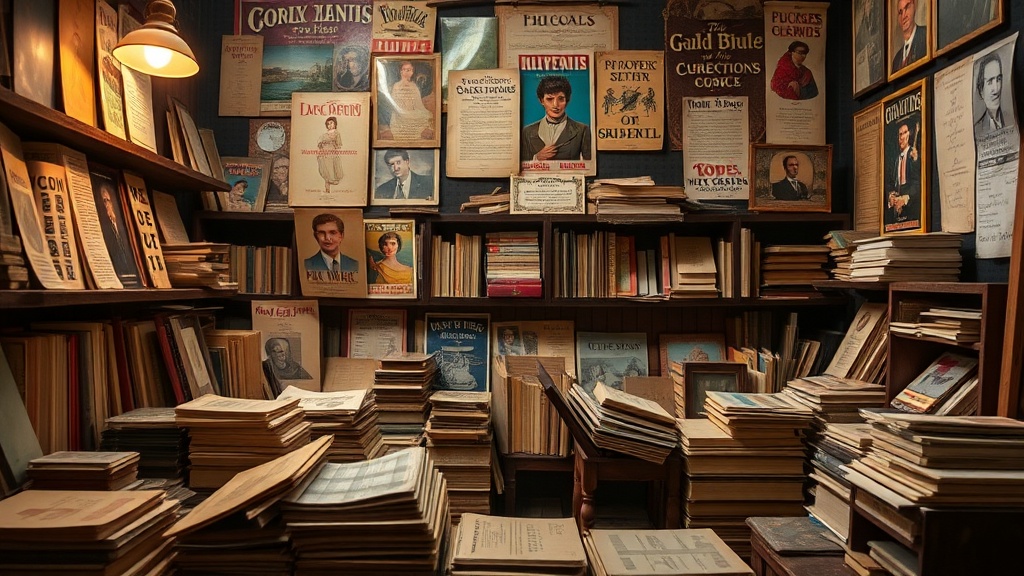
Sourcing Vintage Paper Ephemera and Catalogues for Your Collection

Imagine finding a box in a dusty corner of an estate sale in Halifax. Inside, tucked between old newspapers, is a pristine 1940s mail-order catalog—not just a few pages, but the entire book, intact and vibrant. This isn't just a lucky find; it's the result of knowing exactly where to look and how to identify high-quality paper items before they end up in a bin of scrap. For those of us focused on the paper and print side of the collecting world, the hunt is often more about the hunt itself than the final shelf display.
This guide covers the logistics of sourcing high-quality paper ephemera, from specialized auctions to local estate sales. We'll look at why certain paper types hold value and how to spot the difference between a common reprint and a genuine vintage piece. Whether you're hunting for mid-century advertising or early 20th-century catalogs, the strategy remains the same: look for the paper, not just the content.
Where can I find rare vintage toy catalogs?
Finding high-quality paper items requires looking beyond the standard retail routes. While big auction houses are great, they often focus on larger-than-life objects. For the paper collector, the real gems are often found in smaller, more niche environments. Online marketplaces are a start, but you'll need to use specific search terms to avoid getting bogged down in modern junk.
- Specialized Auction Houses: Look for houses that specialize in 'ephemera' or 'printed matter.' These auctions often feature items that aren't categorized as toys, which keeps the competition lower.
- Estate Sales: This is the gold mine. When families are clearing out homes, paper items like old catalogs or advertisements are often treated as 'junk' and sold for pennies.
- Antique Malls: Instead of the main floor, check the back corners or the 'paper' sections. These are often less curated and offer better opportunities for a bargain.
A tip for the digital hunter: use terms like "vintage print advertisement," "ephemera," or "period catalog" rather than just "old book." This helps filter out modern copies. If you want to see what high-end collectors are currently discussing, checking out resources like the Library of Congress can give you an idea of the historical context and the types of paper-based-materials that are considered significant.
How do I tell the difference between a reprint and an original?
One of the biggest headaches in this niche is the way modern reprints can mimic the look of vintage paper. A high-quality photo of a 1950s catalog can look identical to the real thing on a smartphone screen. To avoid being burned, you have to look for physical indicators that a digital image simply can't convey.
First, check the paper weight and texture. Original vintage catalogs often used a specific type of newsprint or a heavier, more textured stock that feels different from the glossy, coated paper used in modern reprints. If the paper feels too smooth or too heavy, be suspicious. Second, look at the binding. Genuine vintage catalogs often used different binding methods—sometimes staples, sometimes glue—that age in specific ways. If a catalog looks "too perfect," it might be a modern reproduction intended for collectors who can't afford the real thing.
You can also look at the printing method. If you use a magnifying glass, you might see the subtle imperfections of older letterpress or offset printing. Modern digital printing is almost too perfect. Seeing small, inconsistent ink distributions is actually a good sign in this case. For more on the technical aspects of print history, the Library of Congress Print Registry is a fantastic place to research specific printing styles.
What should I look for to ensure high quality?
Quality in paper ephemera isn't just about the condition; it's about the integrity of the item. A catalog that has been heavily taped or repaired often loses its value. When you're out in the field, you need to be looking for certain markers of quality that will ensure your collection remains a valuable asset rather than a pile of scrap.
| Feature | What to Look For | What to Avoid |
|---|---|---|
| Paper Color | Natural aging (slight cream/yellowing) | Bright white (indicates modern or bleached) |
| Ink Consistency | Deep, saturated colors with slight texture | Faded or pixelated digital looks |
| Binding | <--- No issues with staples or glue ---Loose pages or heavy tape repairs | |
| Edges | Natural wear or "deckle" edges | Perfectly clean, machine-cut edges |
When you're evaluating a piece, don't just look at the front cover. Flip through the middle. Often, the most interesting parts of a catalog are the interior advertisements or the unique typography used for the product descriptions. A high-quality piece will have consistent typography throughout, even if there are minor ink bleeds. Avoid any items that have been stored in high-humidity environments, as this can lead to "foxing"—those small, reddish-brown spots caused by mold or iron oxidation—which is difficult to reverse.
The goal is to find items that feel "of their time." This means the paper should have a certain heft and a specific scent (that distinctive old-paper smell). If a catalog smells like fresh ink and chemicals, it's a red flag. Collecting paper is a tactile experience, and if you aren't checking the texture and the weight, you're missing half the fun. Keep your eyes peeled for those subtle details that separate a common piece of paper from a true collector's item.