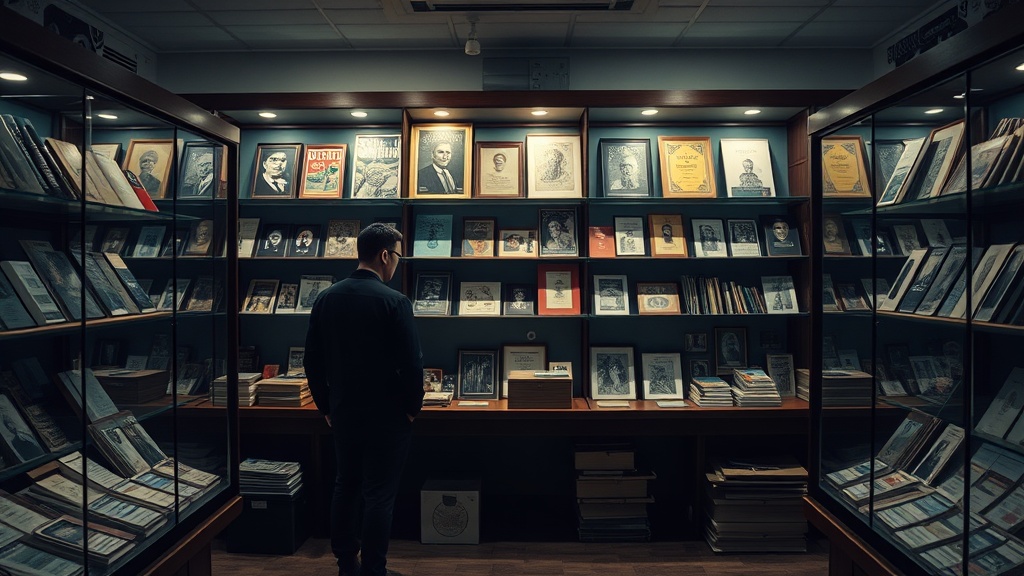
Setting Up Your Display Cases for Paper Ephemera and Catalog Collections

How do you display fragile paper without causing damage?
Ever wonder why some collectors' displays look pristine while others look like they've been through a storm? When you're dealing with paper ephemera—things like vintage toy catalogs, trading card sleeves, and printed advertisements—the way you present them matters just as much as the items themselves. It's not just about aesthetics; it's about physical preservation. If you put a 1960s catalog on a shelf next to a window, you're essentially inviting the sun to eat your collection. This post covers the practical steps for setting up display systems that highlight your paper treasures while keeping them safe from the most common environmental threats.
The first thing you need to understand is that paper is incredibly sensitive to its surroundings. Unlike a heavy die-cast car or a plastic action figure, a catalog's life depends on its stability. You're looking for a balance between visibility and protection. If you want people to see your collection, you'll likely use glass or acrylic, but these materials can create a greenhouse effect if you aren't careful. You want to show off the vibrant colors of a mid-century Sears catalog without letting the heat bake the pages.
When choosing a display case, avoid anything that doesn't offer a seal. Dust is a silent killer for paper. A single layer of grime can settle into the grain of the paper, making it nearly impossible to clean without causing tears. Acrylic cases are great for lightweight items, but for larger catalogs, you might need something more substantial. Always look for UV-resistant materials if you plan on displaying these items in a room with any natural light.
Can I use standard picture frames for vintage catalogs?
A common question I get from new collectors is whether they can just grab a frame from a big-box store and call it a day. The short answer is: proceed with caution. Standard frames often use acidic-grade cardboard or cheap backing that can actually harm your items over time. If you want to frame a single page from a vintage catalog, you must use acid-free, archival-quality mats. This prevents the paper from yellowing or becoming brittle due to chemical reactions between the paper and the frame materials.
If you're looking for professional advice on material safety, the Library of Congress provides extensive resources on how different materials interact with paper and why it matters. Using a non-archival frame is like putting a vintage toy in a box of salt; it's a slow destruction. If you must use a frame, ensure there is a small gap between the glass and the paper. This prevents moisture from getting trapped, which can lead to mold or sticking.
For those who want to display catalogs standing up, consider using high-quality acrylic book stands. These allow the catalog to stay open to a specific page without putting too much stress on the spine. A heavy book being held open by a cheap plastic stand can lead to "spine cracking," a permanent injury to the binding. It's better to have a catalog tucked away in a clear, airtight case than one that is constantly being stressed by an improper stand.
Where should I place my display in my home?
Placement is everything. You might have the most beautiful display in the world, but if it's sitting under a direct beam of afternoon sun, you've wasted your money. Light is the primary enemy of paper. UV rays break down the molecular bonds in paper fibers and fade the ink. This is why many professional collectors use dark-tinted glass or specialized UV-filtering-films on their display cases.
Here is a quick checklist for your display location:
- Avoid Direct Sunlight: Even if the case is UV-protected, keep it away from windows.
- Temperature Stability: Don't place your display near a radiator or an air conditioning vent. Rapid changes in temperature cause the paper to expand and contract, which leads to warping.
- Humidity Control: High humidity is a disaster for paper. It leads to foxing (those little brown spots) and mold. If you live in a humid climate, a dehumidifier in the room is a non-negotiable tool.
- Height: Keeping displays at eye level or slightly below helps prevent dust buildup from falling from higher shelves.
- Vibration: If you're displaying heavy catalogs, ensure the shelf is stable. Constant micro-vibrations from a nearby heavy-traffic hallway can cause pages to rub together and fray.
If you're serious about your collection, you might want to check out the American Voices archives or similar preservation-focused institutions to see how they handle delicate paper artifacts. Understanding the professional standard can help you bring that level of care to your own home setup.
The Importance of Micro-Environments
A micro-environment is a small, controlled space designed to protect a specific item. For a catalog collector, this might mean an airtight acrylic box. When you use these, you're controlling the air around the object. This is much safer than an open bookshelf. If you're displaying a rare 1950s catalog, you want that item to be as isolated from the room's air as possible. This prevents dust, oils from fingers, and fluctuating humidity from reaching the pages.
One thing to keep in mind: never use "sticky" adhesives or mounting putty to hold paper in place. I've seen many collectors try to use small pieces of tape to hold a catalog open in a display, only to find the tape has left a permanent, greasy stain on the paper. If you need to hold a page open, use weight-balanced, non-acidic-weights or specialized book cradles. It's better to be a little more cautious than to lose a piece of history to a cheap adhesive.
When you're building your collection, remember that you're a temporary steward of these items. The goal is to enjoy them now while ensuring they look just as good for the next person. Whether it's a single trading card or a massive, multi-page catalog, the display method you choose today determines its survival tomorrow. Keep it cool, keep it dry, and most importantly, keep it out of the light.